Enjoy clean and simple heating across your home

One of the main considerations when designing a home will be how to heat it, and underfloor heating is one of the most efficient and sustainable routes available. It’s a clean and simple form of heating, ideally suited to today’s well-insulated, low-energy and airtight buildings. 

As Ireland’s leading designer and supplier of thousands of underfloor heating systems each year, we work with everyone from homeowners, contractors, architects and consulting engineers to ensure that Irish homes can enjoy the benefits of underfloor heating.

In fact, underfloor heating is one of the most critical systems you will install in your home. Most of the system is buried within your floor structure for the lifetime of the building, making it essential to choose high-quality components backed by trusted manufacturers. Pipelife offers a 50-year guarantee on our Qual-Pex Plus+ ‘Easy-Lay’ Multilayer Pipe, giving you confidence in the long-term performance of your home heating system.
Is my home underfloor heating ready?

Underfloor heating is a great choice if:

  • You’re building a new home or undertaking renovations
  • You’re looking for a more comfortable heating solution
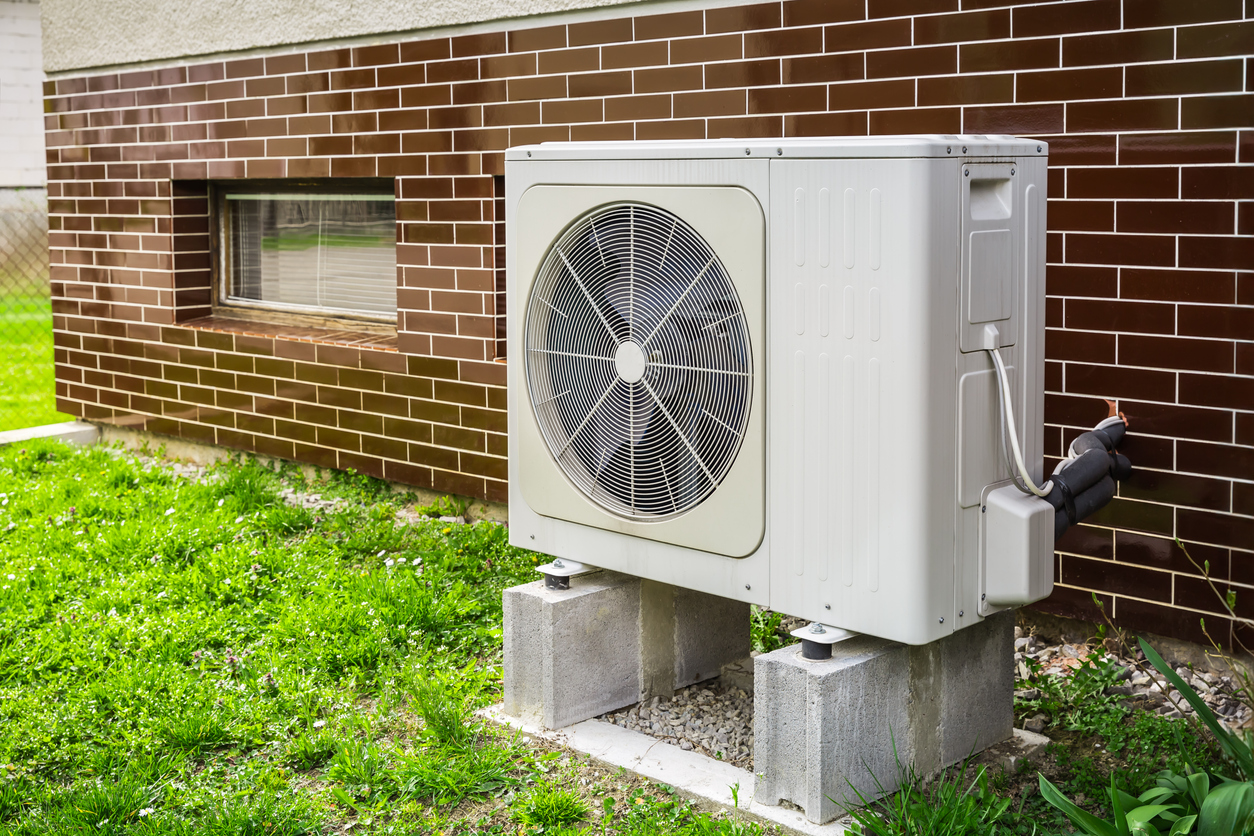
  • You want to maximise the efficiency of a heat pump
  • You want greater freedom when designing living spaces
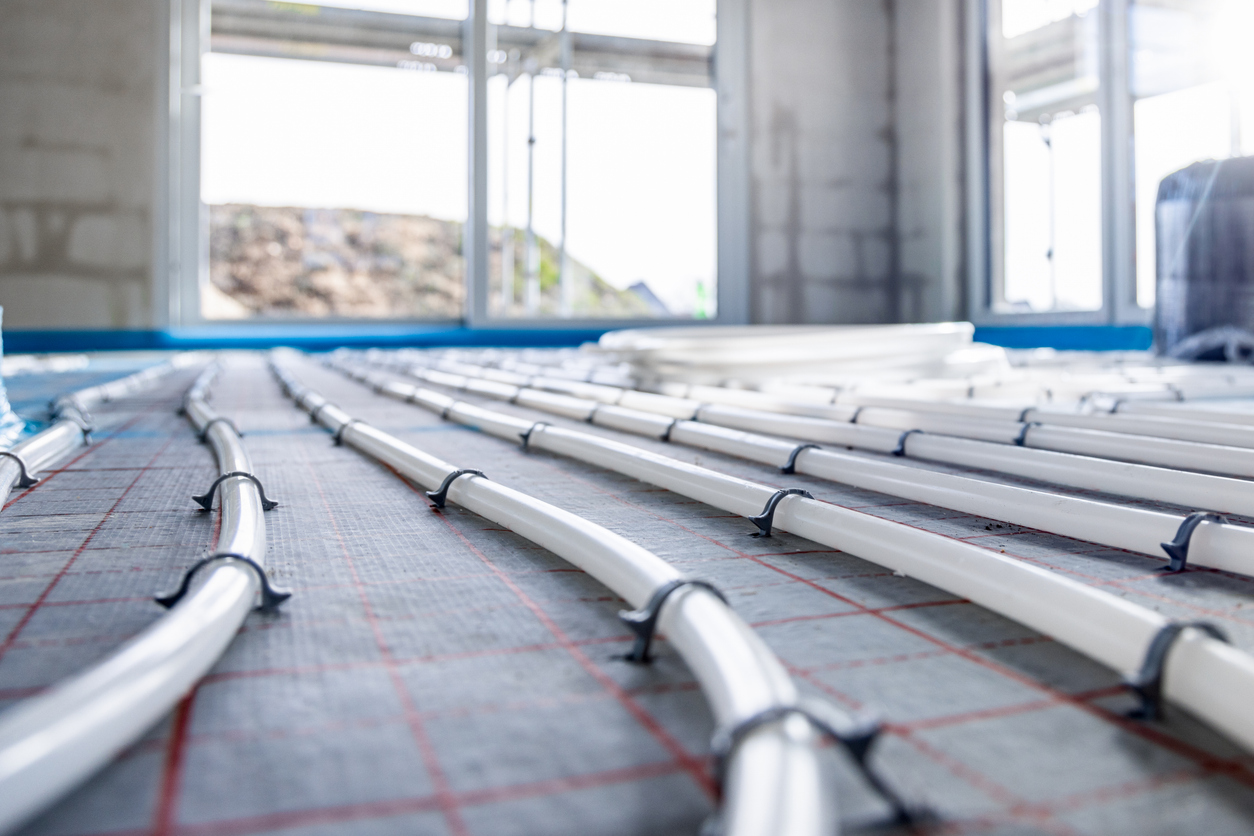
underfloor heating pipes

What is underfloor heating?

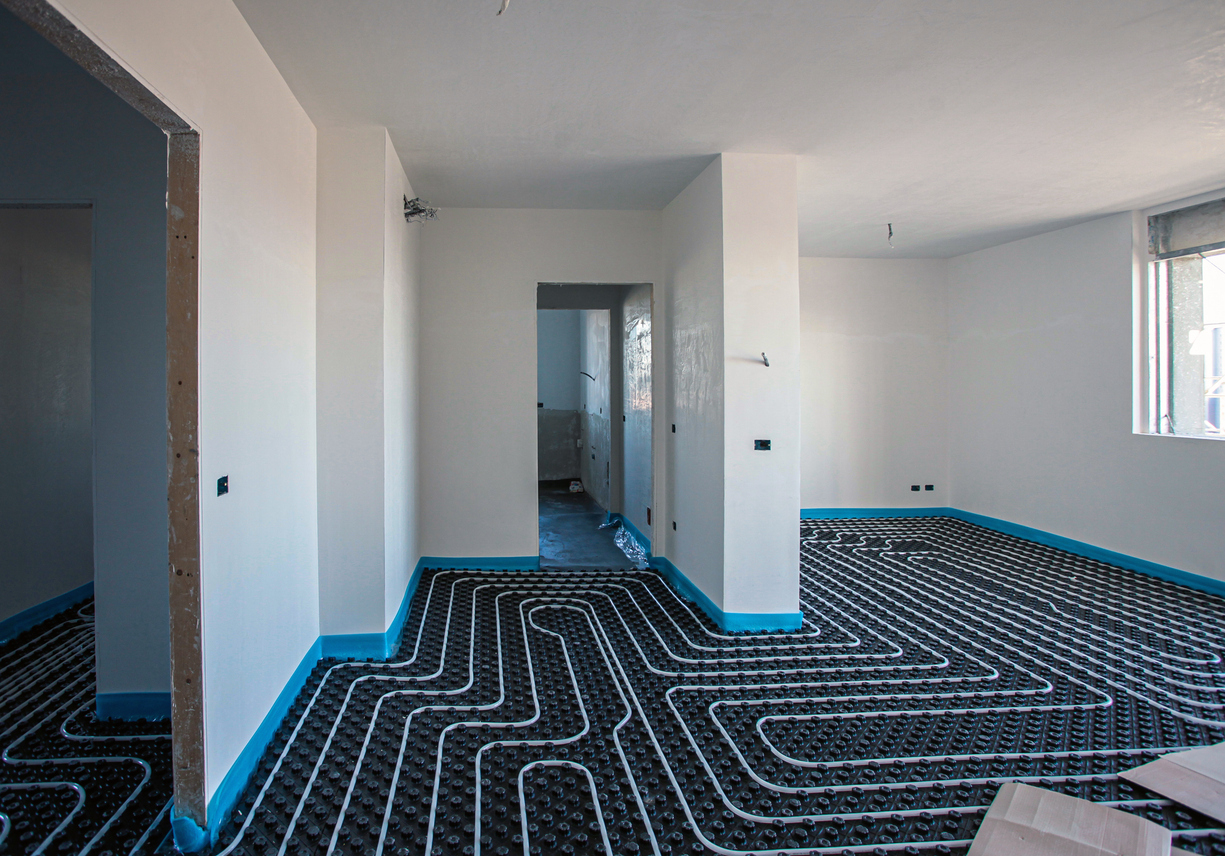
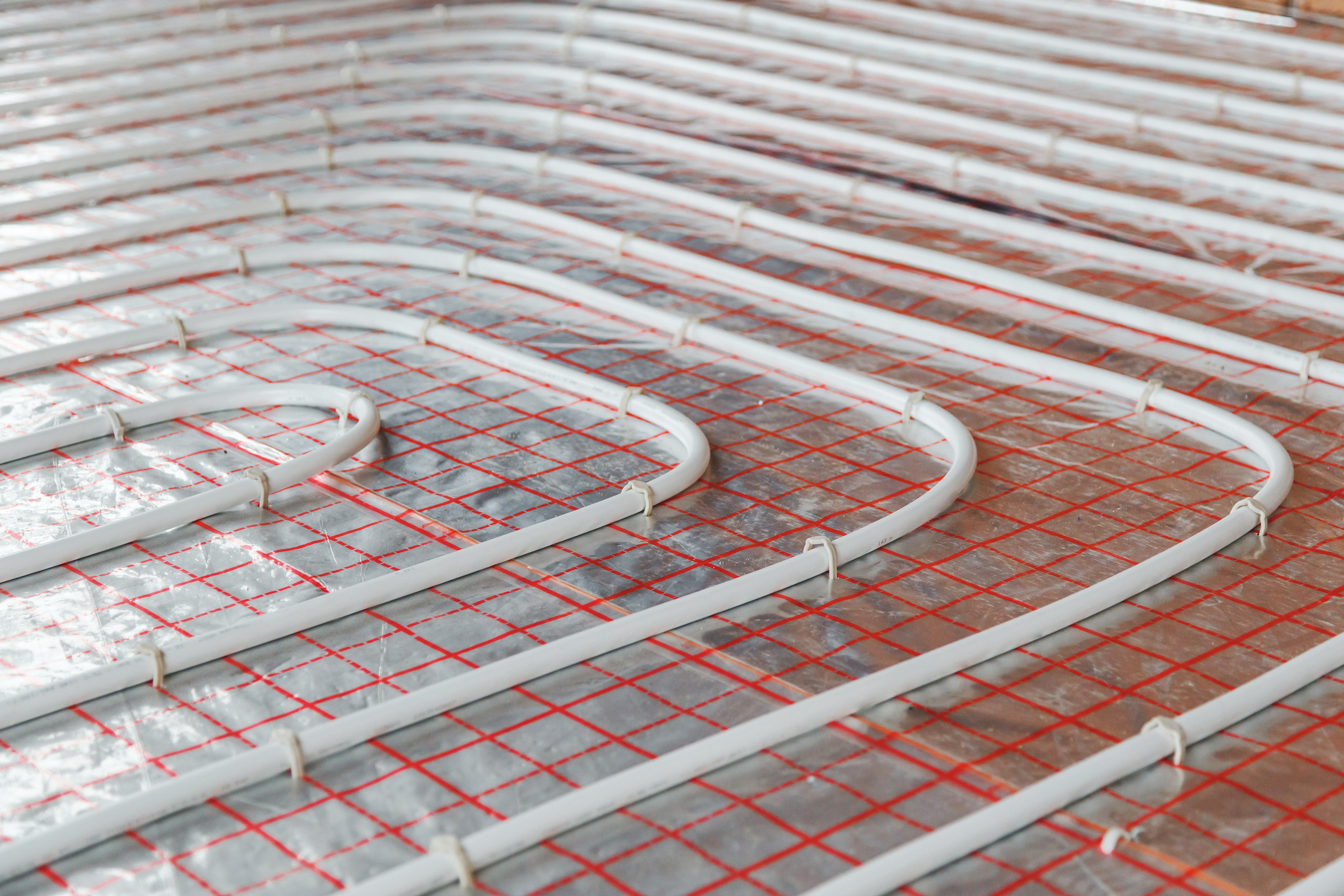
Underfloor heating works in a very similar way to central heating radiator systems in that water is heated up by oil or gas-fired boilers, and that hot water is supplied to the rooms in your home. The essential differences are that the water does not need to be heated to higher temperatures, and instead of being distributed to radiators, the hot water is distributed through long lengths of heating pipe that are buried in the concrete in your floor. The hot water running through these pipes heats up the concrete floor, and the floor itself becomes a big ‘radiator’ and heats your rooms.

Why get underfloor heating?

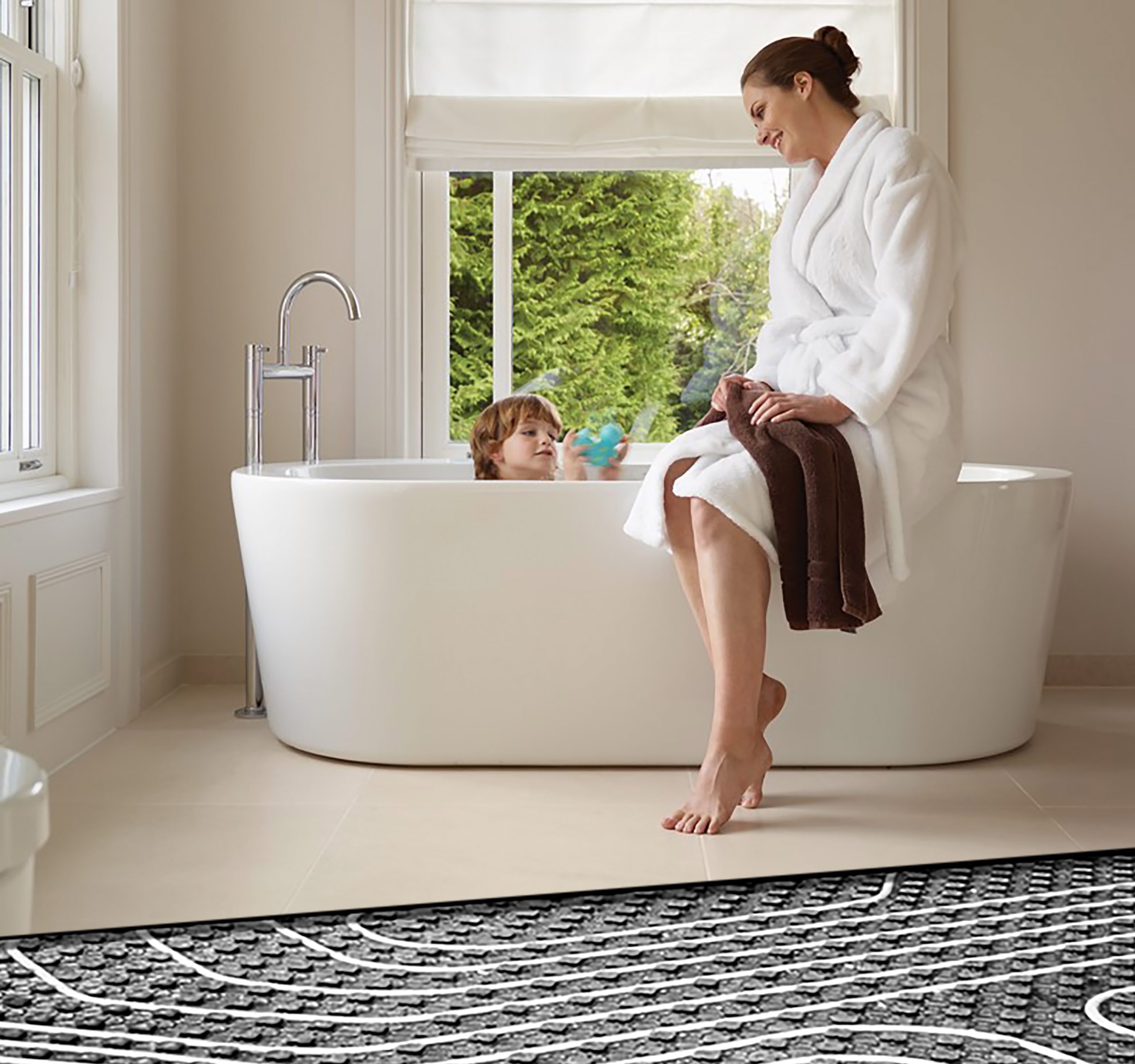
Underfloor heating has the effect of heating the entire floor throughout, leaving it warm to the touch, resulting in even heat distribution. It is a proven fact that gentle heat radiated at floor level provides the optimum heating temperature profile for the human body. Key benefits of this home heating system include:

Lower energy bills

Underfloor heating provides a comfortable, even temperature throughout your home, offering a healthier environment with less dust being circulated and no restrictions on interior design layout.

Reduced carbon footprint

Underfloor heating circulates water at temperatures between 25°C and 40°C, compared to the 50°C to 80°C typically required by radiator systems. This lower operating temperature improves energy efficiency and can reduce your heating bills.

Improved comfort levels

Underfloor heating is straightforward to install as part of a new build or renovation project, requiring little maintenance and long-term performance.

The design & installation process

With over 25 years of experience, our team can provide you with a comprehensive heating solution design and quote. We offer free estimates, free CAD design and technical support for those seeking a greener way of heating their home.

For a free quotation, simply send a copy of your house plans, with as much detail as possible to Ireland@pipelife.com

A member of our Renewable team will be in touch to discuss your requirements and will then carry out a number of calculations specific to your job, and will return a detailed quotation to you.

If you’re happy with the quote you received, you can place an order via your plumbing contractor or local builders’ providers.

A full design specification, both mechanical and electrical, is then produced detailing the design criteria and guidelines for the installation of your system. The design is always project-specific, and each design is tailored to suit your requirements.

Underfloor Heating​ FAQs

Not at all. You can incorporate underfloor heating with a radiator system.
Generally, yes, you can. It would be prudent to get some technical advice before you carry out any work.
Yes, underfloor heating can be fitted upstairs.
You can add underfloor heating to your existing heating system as many people do when refurbishing and/or adding extensions to their houses. As the underfloor heating system works on lower temperatures, slight alterations to your heating system will have to be carried out by your plumber.
You would require approximately 200mm to allow for your new floor insulation, pipes and new concrete floor.
You are not confined to underfloor heating upstairs. You can have conventional radiators upstairs.
The initial investment is normally higher (approx. 10%) than a traditional radiator system but the end result is lower running costs, a better form of comfort, as well as improved control and a hidden heating system.
Tile, carpet and timber are all suitable floor coverings. There are a few design considerations to be adhered to : Tile: use adhesive suitable for underfloor heating Timber: use timber that has been kiln dried to approx 8%. Carpet: always use a good quality thin carpet and a good quality underlay. Always consult your flooring provider before you lay a finished floor on top. They will provide you with the best advice on choosing a floor covering most suitable for underfloor heating.
A screed is a layer of concrete that covers the underfloor heating pipes and becomes the floor of your house.
There is no maximum area that can be covered. The possibilities are endless.
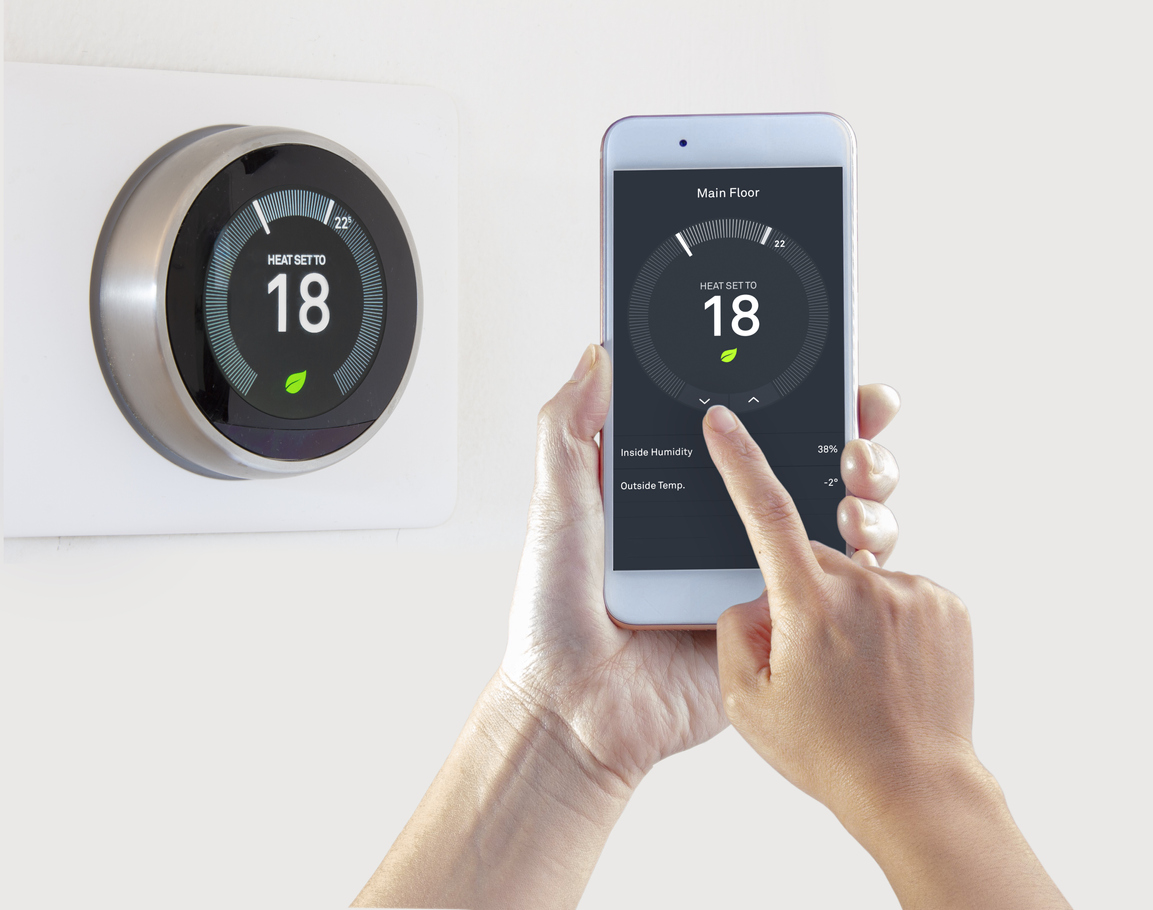
Many suppliers can seem to offer cheaper solutions that ‘look’ similar. In most cases this can only be achieved by compromising on either quality or quantity: Reducing the quantity of pipe: This means you will need to pump higher temperature water to get the required heat, which pushes up your heating bills. Using cheaper imported pipe: Many pipes imported from the Far East is of questionable quality and will likely deteriorate quickly. Using undersized heat pump: It must operate at higher loads to provide the required heat, which will burn it out much sooner than its expected lifespan. Using less thermostats: This means you lose control of heating each of your rooms individually, thus compromising your comfort. Purchasing a ‘cheaper’ option can prove very costly in terms of running costs, maintenance costs and replacement costs.
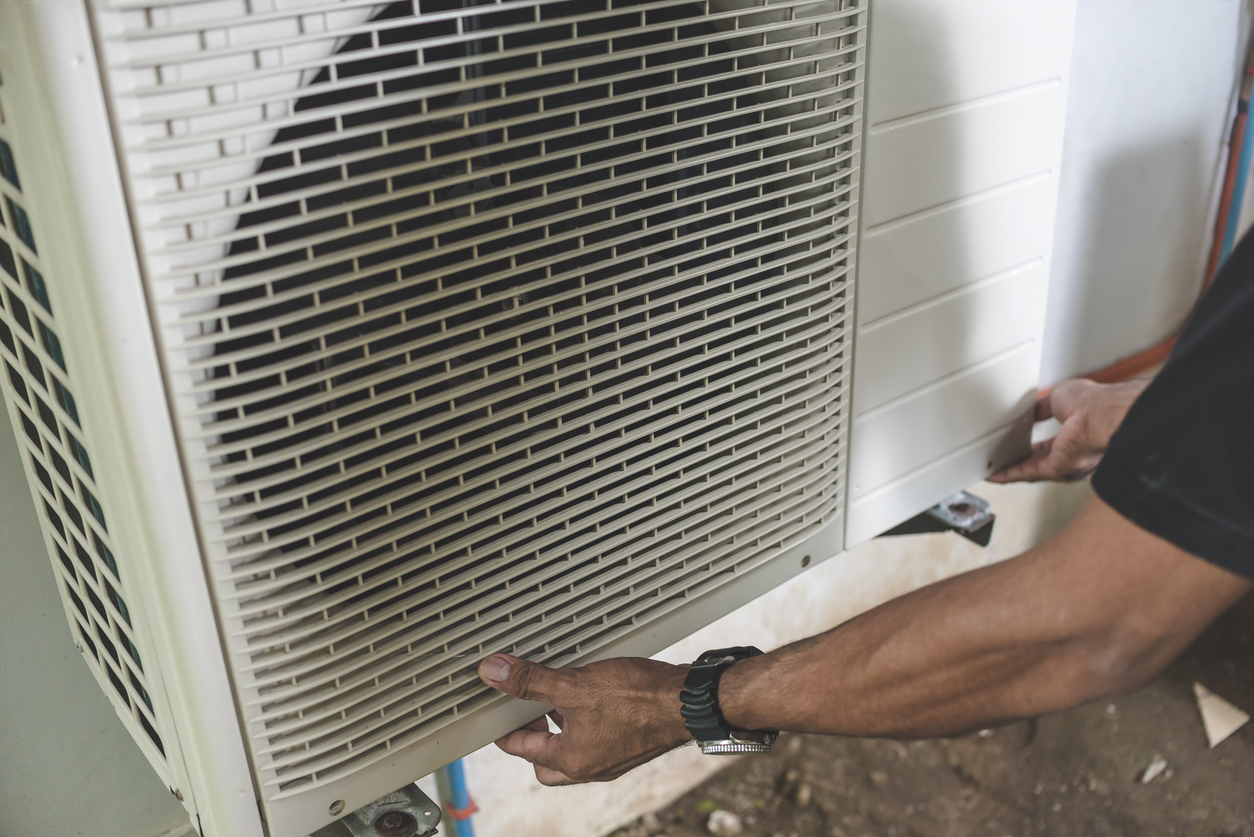
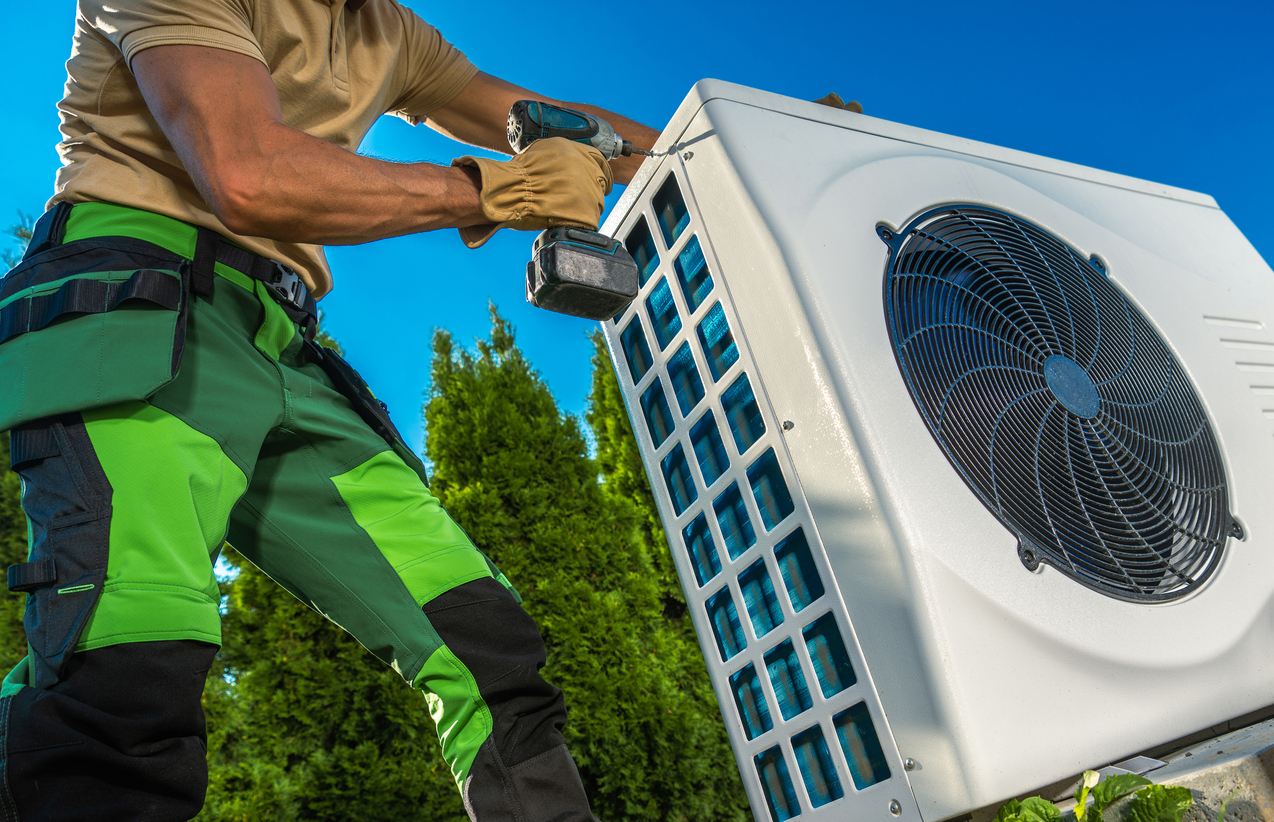
engineer installing a heat pump

Why choose Pipelife Eco?

At Pipelife we believe in providing our customers with a one-stop-shop for complete package solutions; from market-leading products, free initial advice, through to bespoke design, final commissioning and technical support, allowing you to purchase with confidence.

Contact Us

Please use the contact form opposite to send us a message.

We’re here to help

Our other products